



Tidal Gardens, Inc. - Coral Propagation
 
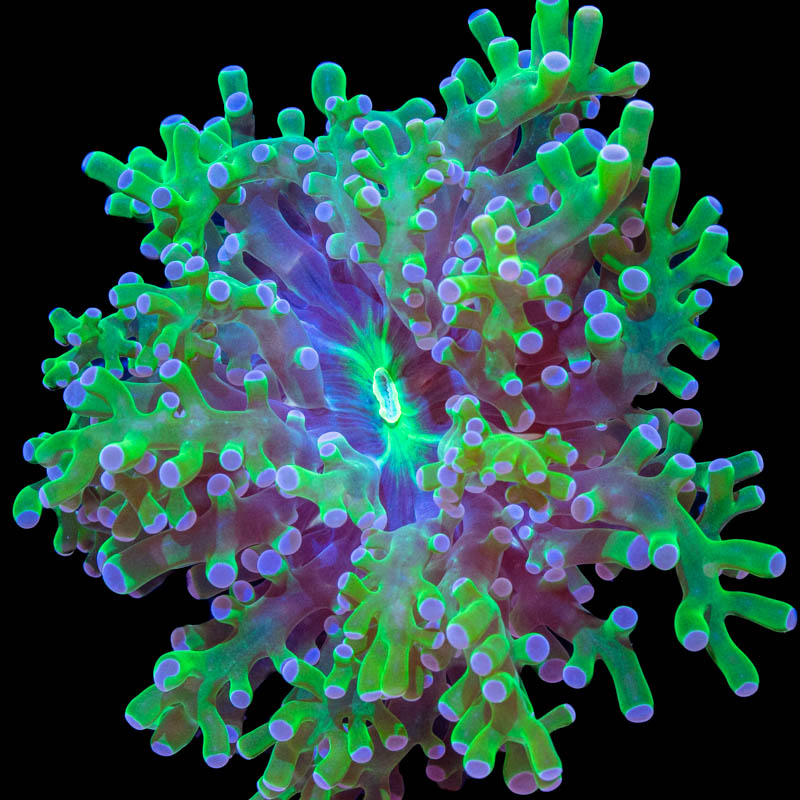
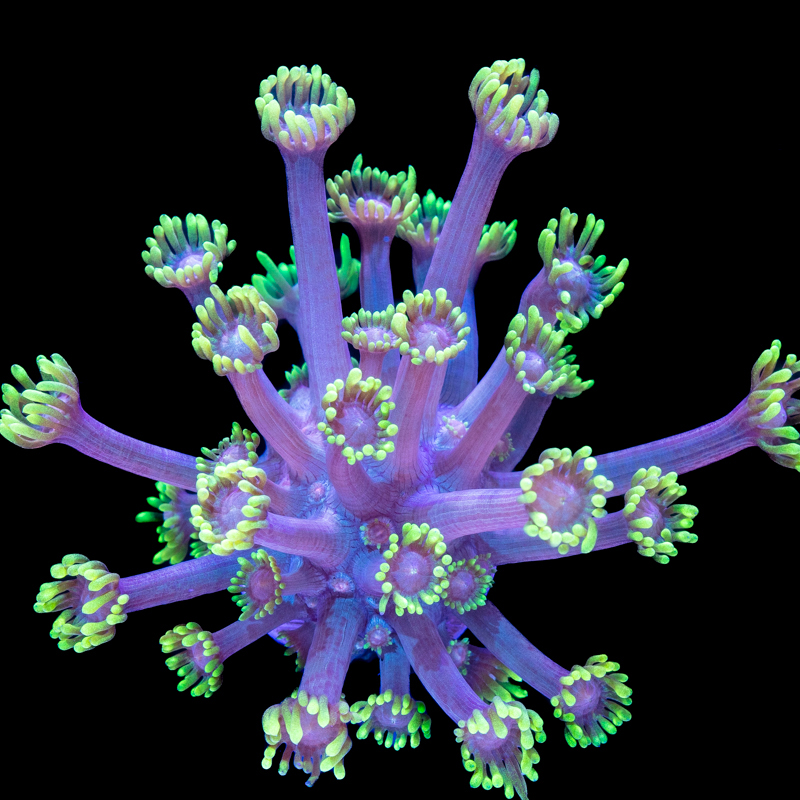
Euphyllia ancora
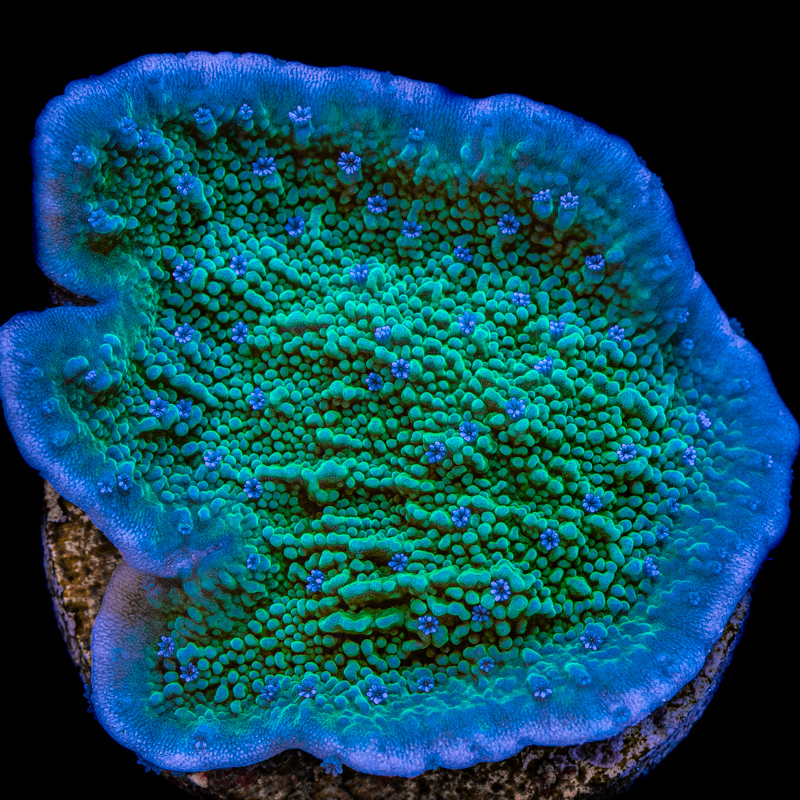
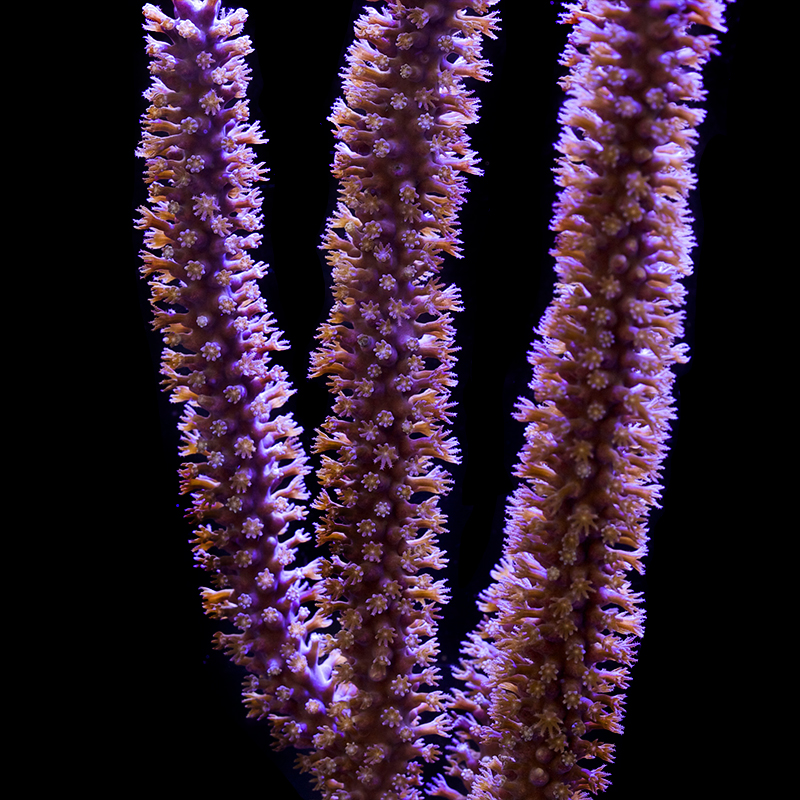
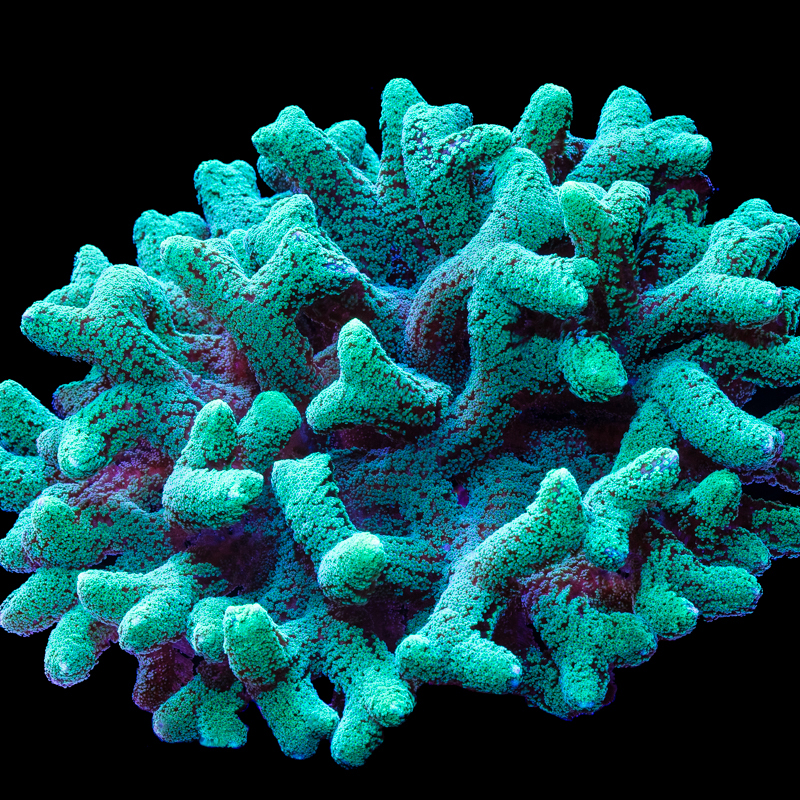
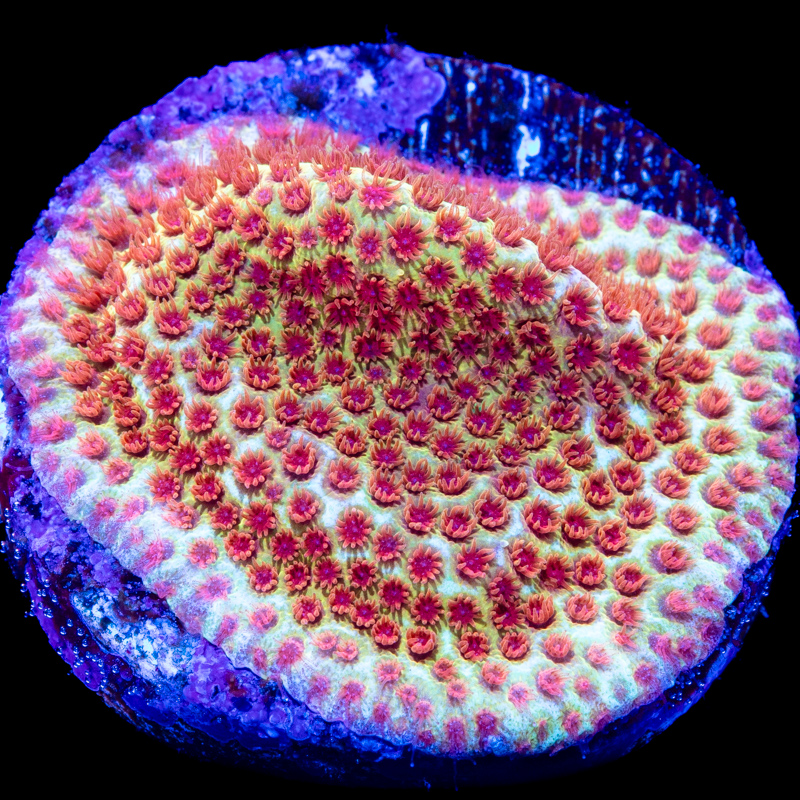
Turbinaria
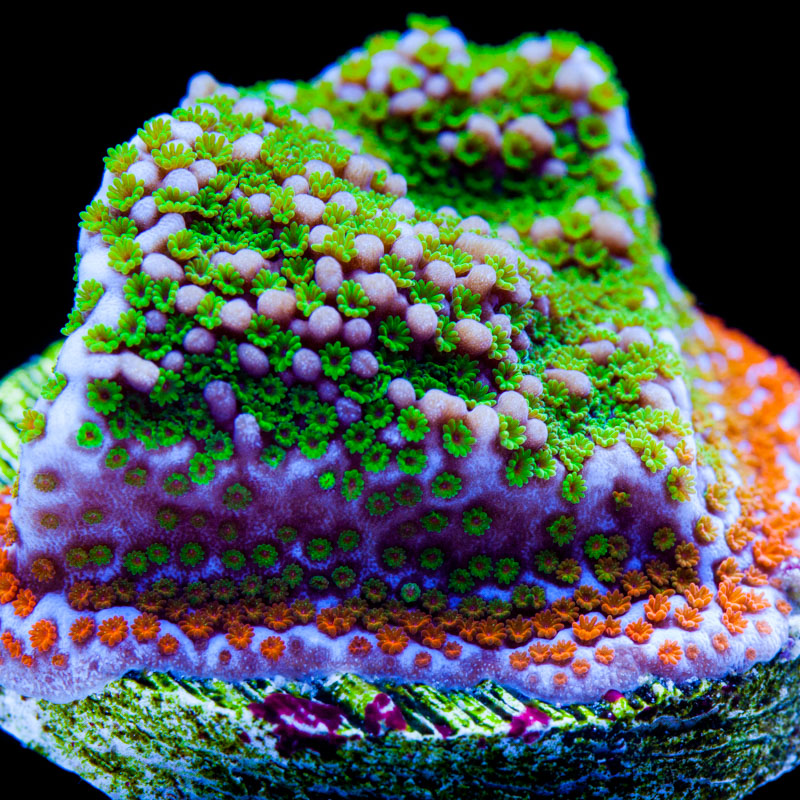
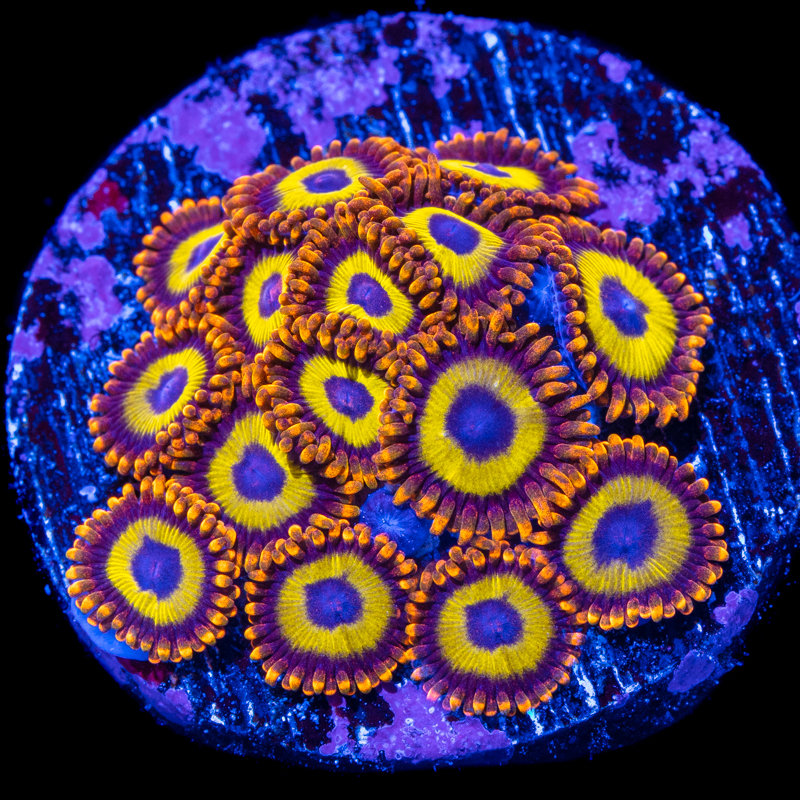
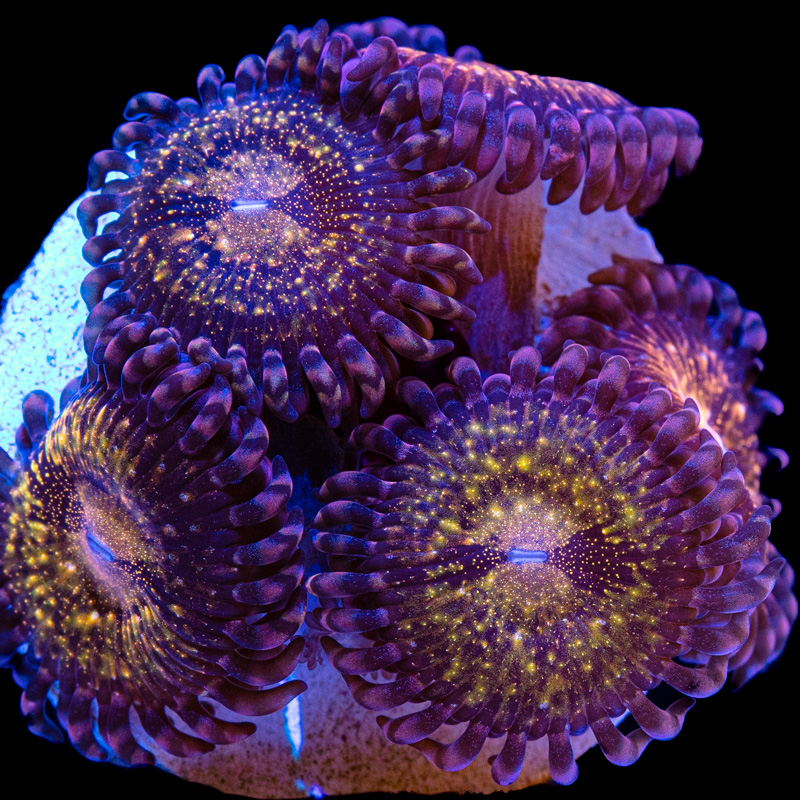
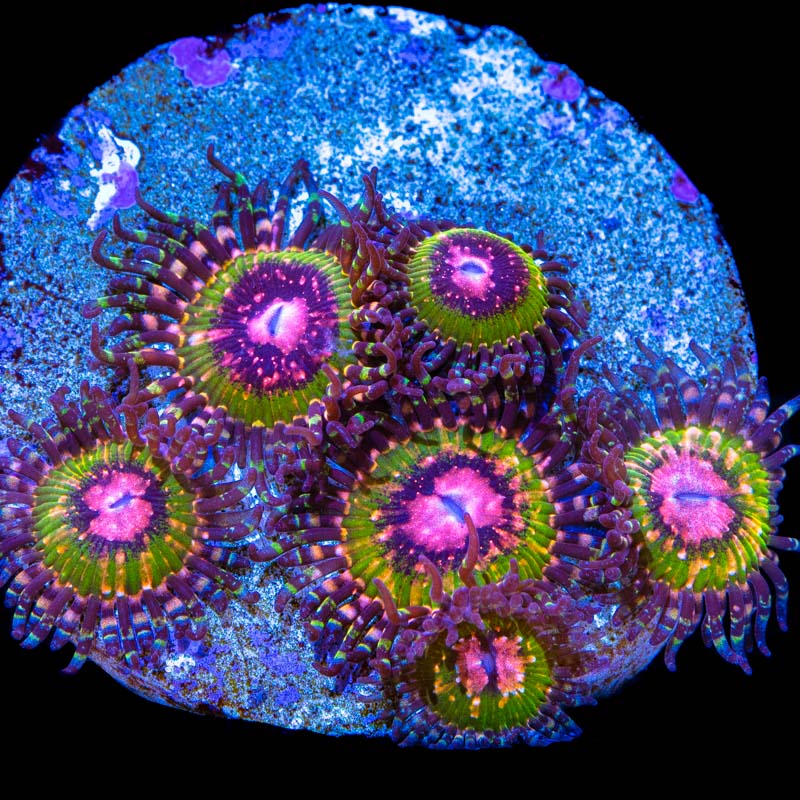
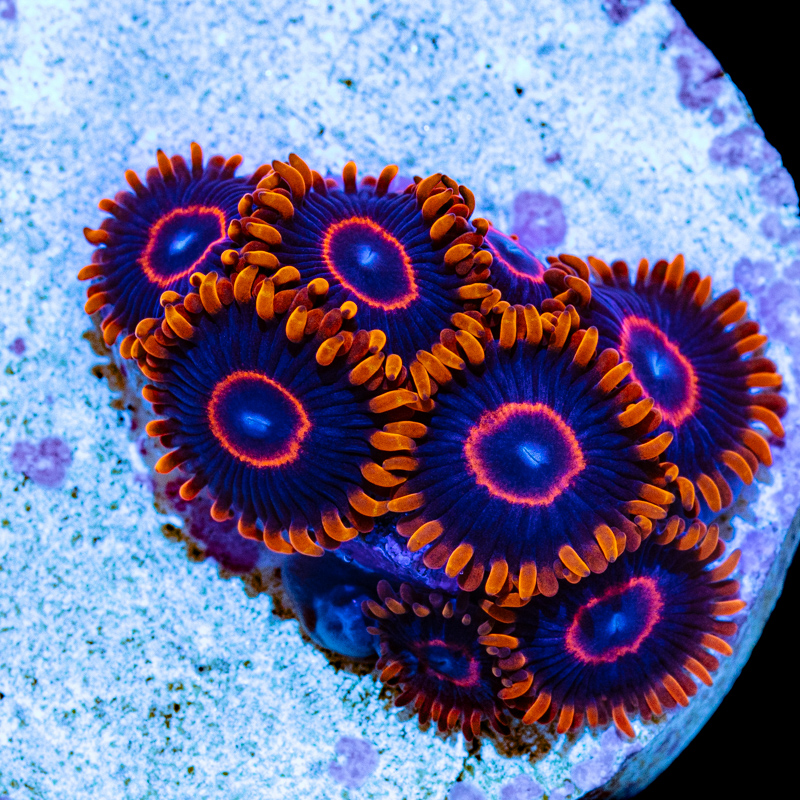
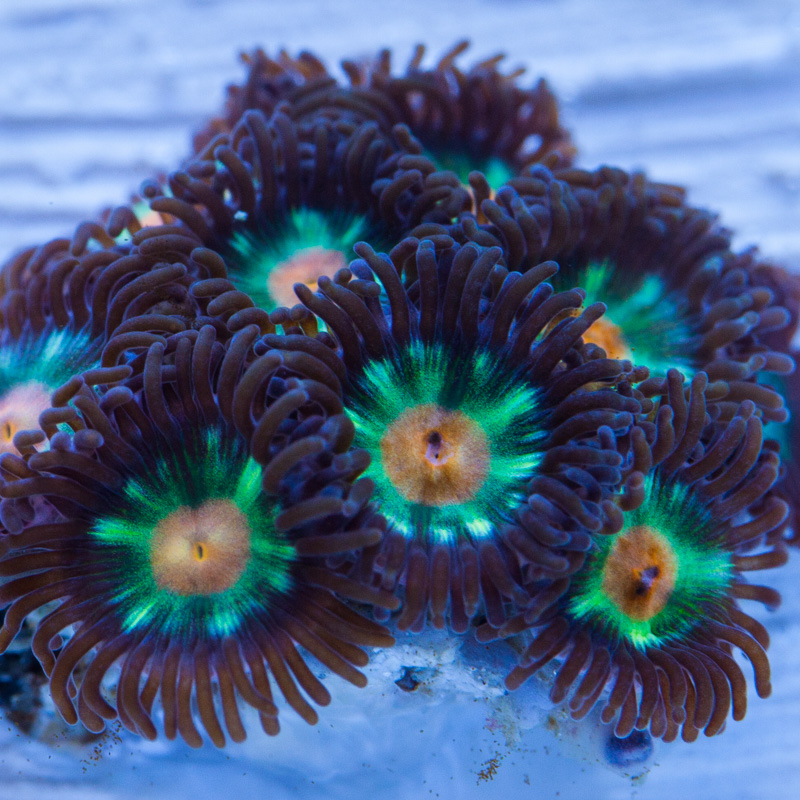
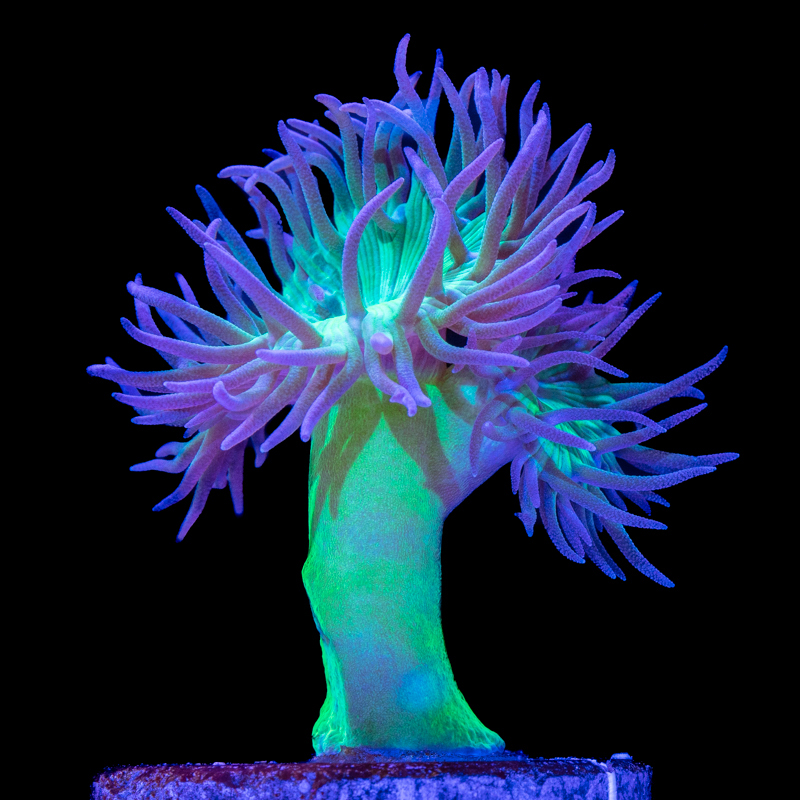
Palythoa
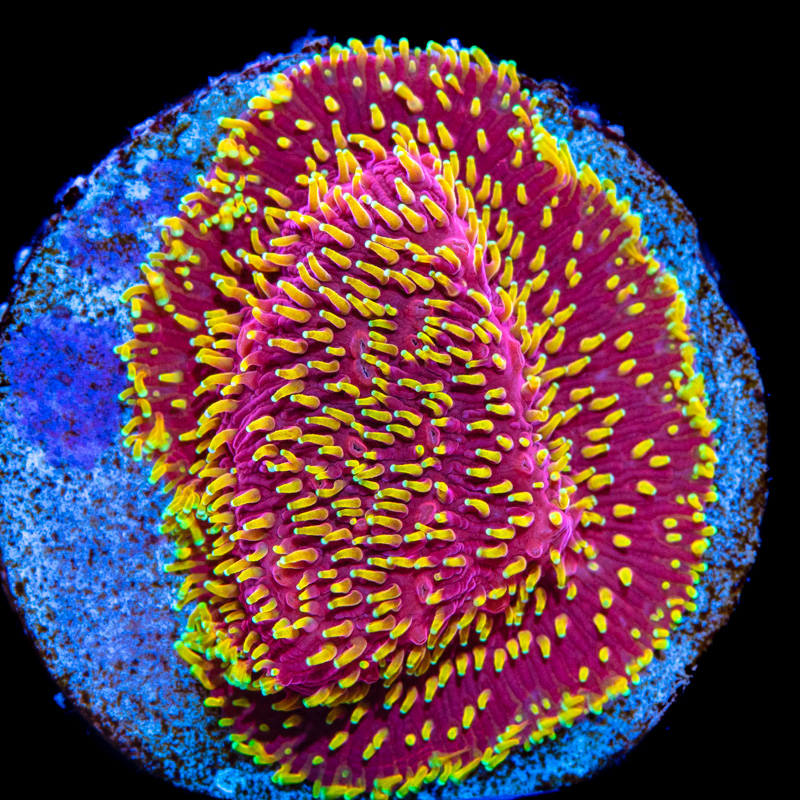
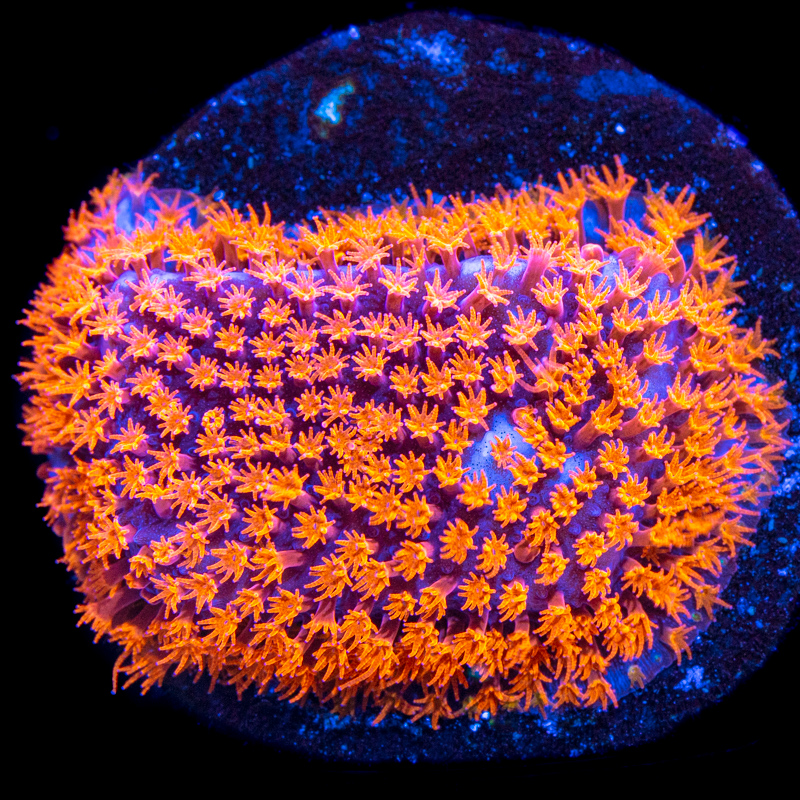
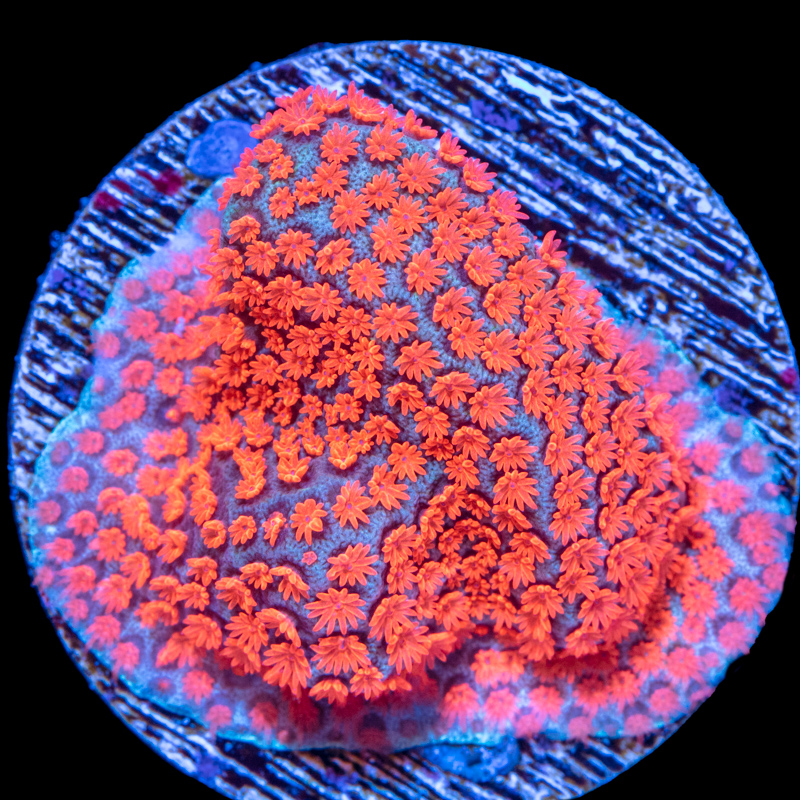
Leptastrea
Oulophyllia
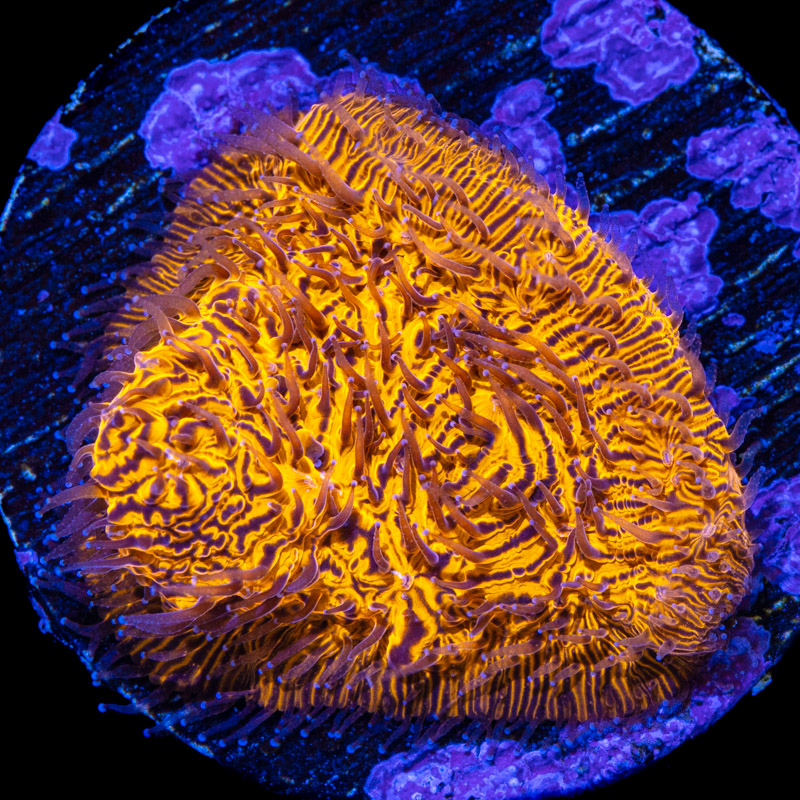
Lobophyllia
Welcome to Tidal Gardens!
One of our show tanks.

Tidal Gardens Incorporated is a dedicated coral farming facility serving saltwater aquarium keepers everywhere. Through propagation, we supply high quality aquacultured hard corals, soft corals, mushrooms polyps, zoanthids, and gorgonians to reef aquarists with little to no impact on the natural reefs.

Our online store is now open! Browse our coral by clicking on the coral varieties above or search for your favorite kind of coral using the search box.

Reef aquarium keeping is a growing passion for many people. A reef tank allows us to view, in our own homes, a myriad of beautiful life forms that others can only dream of. Nowhere else on earth will you find such a diverse array of shapes and colors as you will on a coral reef. For many, a reef aquarium provides a window to an underwater world they may never see in person. The goal of Tidal Gardens is to offer the highest quality corals to those seeking a piece of that world without destroying it. We hope to instill a deep appreciation for the natural reefs and help develop a self sustaining hobby that no longer requires the collection of fish and corals.

Through aquaculture we believe this is possible.

Greenhouse Update - August 15, 2009

Each year in an effort to improve the greenhouse we plan some modest projects. Some years we do something more elaborate for example in 2007 we installed the new heated floor. 2009 is another year in which we implemented some major changes to the greenhouse to make it better. Our focus this time around was directed toward heating and cooling efficiency.

The first major change we made was the walls and ceilings of the greenhouse. For 5 years now, a single pane of double-walled polycarbonate has made up the greenhouse walls. Initially heating the greenhouse was a bit of a challenge as a result of heat loss through the walls and ceiling. This year we finally committed to installing a second layer of double-walled glazing to the entire greenhouse.

The walls are now much more thermally stable in preparation for the cold winters ahead

Adding a second layer of glazing would in essence create three air gaps for insulation, one in the outer pane, one in the inner pane, and a large gap in between the two sheets of glazing. The hope is, once the second layer of glazing goes up, the heating bill in the winter would drop significantly. A single panel of 8mm double-wall polycarbonate has an R-Value of 1.6. By adding the second panel, I suspect we would more than triple the R-Value of the wall to something in the neighborhood of 5.0. An R-Value of 5.0 is roughly equivalent to 1.5" of polystyrene foam.

Installing the second layer of glazing was a lot of work but luckily we got a lot of help from friends and family. The ceiling installation was professionally done and the final product was very nice.

A view of the new vent from outside the greenhouse

While the first change was made to better address heating bills in the winter, the second change was done to lower the cooling bill in the summer. Frankly, the cooling bills in the summer were never that high to begin with, but the greenhouse itself on certain summer days was unbearable to work in and the temperature in the tanks approached 90 degrees. The large 48\xe2\x80\x9d exhaust fan did a great job of moving air at the level of the fan however heat would quickly build in the upper regions of the greenhouse and cause the building as a whole to be uncomfortably warm whenever there was direct sunlight. While we were working on installing the second layer of glazing on the ceiling of the greenhouse, we could feel the temperature increase 10 degrees every few feet. It was probably close to 150 degrees F at the top of the greenhouse.

A view from inside. The black piston shown controls the opening and closing of the vent

To combat this heat issue, we decided to look into automatic vents at the top of the greenhouse. Farmtek sells a very elegant automatic vent system. When I first saw the item in the catalog, I was thinking it was an electrical device on a thermostat but in reality these units are not hooked up in any way to an electrical source. The vents are opened and closed by a black piston filled with a special fluid. When the temperature rises, the fluid in the piston expands causing the vent to open. Once the heat in the building escapes the fluid in the piston cools and the vent closes. We installed three of these vents and the impact was immediately noticeable. What was once an uncomfortably hot greenhouse in the summer became a very pleasant one.

The exhaust fans now come on half as often and almost never run full blast. In past summers, the main exhaust fan typically ran at 100% for at least five hours a day. The fan is a 10-amp unit so one can imagine the electrical draw. Now that the vents in the roof are in place, the main exhaust fan stays inactive for much of the day and practically never has to run at 100%.

User Login
Login ID
Password


[Register]

[Forgot password?]
Shopping Cart
You must be logged in to use a shopping cart.
Featured Content
· Acclimation
· Aquaculture
· Circulation
· Filtration
· Lighting
· Our Greenhouse
· Nitrogen Cycle
· Tank Selection
· Water Quality
· Shipping